Optimizing the energy efficiency of HVAC machinery is crucial for both reducing utility costs and extending the lifespan of your heating and cooling systems. Whether you are managing a residential property or a commercial building, inefficient HVAC machinery can lead to higher energy consumption, increased wear and tear, and unexpected repair costs. By focusing on effective energy-saving strategies, you can ensure that your system operates at peak performance while minimizing environmental impact. This article explores practical tips and expert advice on maintaining and improving HVAC machinery efficiency, from routine inspections to advanced thermostat technology.
Energy efficiency is not just about installing new equipment; it also involves understanding how HVAC machinery functions and how small adjustments can create meaningful results. Proper maintenance, thoughtful system upgrades, and careful attention to insulation, ductwork, and zoning can all influence energy consumption. This guide also addresses the role of HVAC companies, commercial HVAC companies, and local heating repair professionals in ensuring your system is optimized. Whether you are considering ac repair, ac installation, or routine HVAC maintenance, these strategies will help your HVAC machinery operate more efficiently and reliably. By following these tips, homeowners and business operators alike can achieve cost savings, improved comfort, and longer-lasting systems.
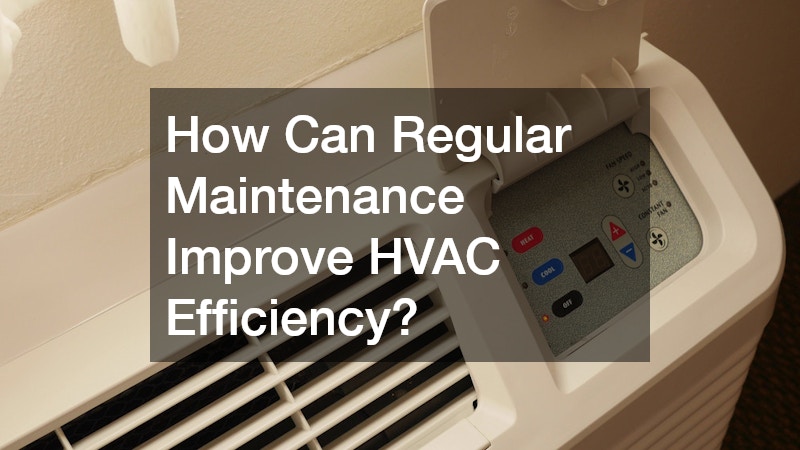
How Can Regular Maintenance Improve HVAC Efficiency?
Importance of Routine Inspections
Regular inspections play a critical role in maintaining HVAC machinery efficiency. When HVAC companies or local heating repair professionals inspect your system, they can identify minor problems before they escalate into costly repairs. Leaks, worn components, and improper airflow can all reduce efficiency, causing your ac system repairs to become more frequent and expensive. Commercial HVAC companies often recommend seasonal check-ups to ensure that both heating and cooling functions operate correctly.
Routine inspections also allow technicians to assess the performance of your HVAC machinery holistically. By examining key components such as compressors, coils, and electrical connections, HVAC companies can pinpoint inefficiencies and recommend timely interventions. Whether it’s scheduling ac repair, performing heating oil service, or upgrading parts during ac installation, professional attention ensures that HVAC machinery continues to run at optimal levels. Businesses that rely on commercial HVAC companies particularly benefit, as energy costs can be significantly reduced with well-maintained systems.
Cleaning and Replacing Filters
Dirty or clogged filters are one of the most common contributors to inefficient HVAC machinery. Filters trap dust, pollen, and debris, which can build up over time, restricting airflow and forcing the system to work harder. This not only increases energy consumption but can also accelerate the need for ac system repairs. HVAC companies recommend inspecting filters monthly and replacing them as needed to maintain proper airflow and system performance.
In addition to improving efficiency, regular filter maintenance ensures better indoor air quality. Commercial HVAC companies and local HVAC companies often incorporate filter replacement into their routine HVAC maintenance plans. Whether your focus is ac installation, ac repair, or routine heating oil service, maintaining clean filters is a simple yet effective way to protect HVAC machinery, extend its lifespan, and reduce unnecessary energy consumption.
What Type of Thermostat Is Best for Energy Efficiency?
Programmable Thermostats
Programmable thermostats provide an effective way to reduce energy consumption by automatically adjusting temperatures based on schedules. For HVAC machinery, consistent temperature regulation reduces unnecessary strain, especially during peak hours. Homeowners and businesses alike can see noticeable savings on utility bills when using programmable thermostats, as they prevent systems from running when spaces are unoccupied.
When paired with regular HVAC maintenance, programmable thermostats can also reduce the frequency of ac system repairs. HVAC companies suggest setting schedules for heating and cooling that align with daily routines to maximize comfort and efficiency. Commercial HVAC companies often integrate programmable controls into larger systems, ensuring that HVAC machinery operates efficiently across multiple zones or floors. By combining technology with proper oversight, energy efficiency is optimized without compromising comfort.
Smart Thermostats
Smart thermostats offer an advanced alternative, incorporating features like remote control, learning capabilities, and real-time energy usage tracking. These devices can learn your preferences over time and automatically adjust heating and cooling patterns to improve HVAC machinery efficiency. By analyzing trends, smart thermostats can predict when to pre-cool or pre-heat spaces, reducing the workload on your HVAC system and lowering energy costs.
Beyond energy savings, smart thermostats support preventive care by providing alerts when HVAC machinery may require attention. Whether for ac repair, ac installation, or routine HVAC maintenance, these insights allow HVAC companies to intervene proactively. Local heating repair specialists and commercial HVAC companies alike can leverage smart thermostat data to schedule timely maintenance or recommend system upgrades, keeping HVAC machinery running efficiently and reducing the likelihood of costly failures.
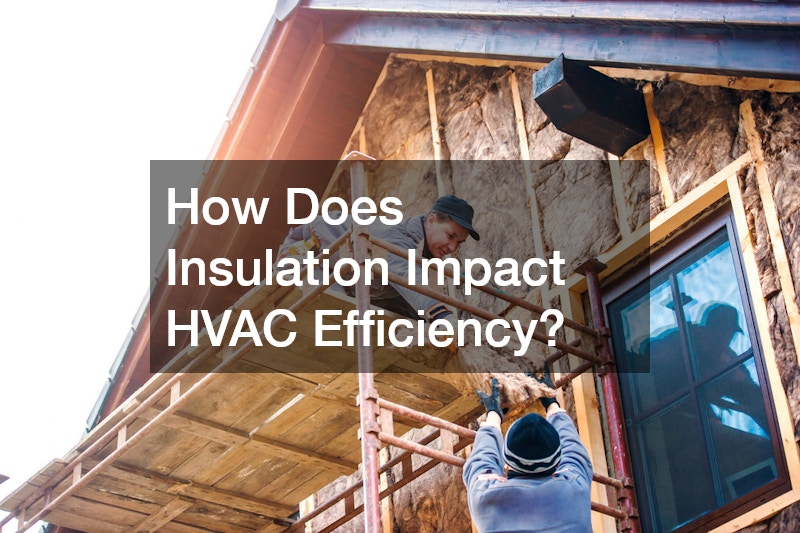
How Does Insulation Impact HVAC Efficiency?
Role of Proper Insulation
Proper insulation is critical for HVAC machinery to operate efficiently. High-quality insulation reduces heat transfer between indoor and outdoor environments, meaning your heating and cooling systems work less to maintain desired temperatures. When HVAC machinery is not overworked, energy consumption decreases, extending the life of components and reducing the need for ac system repairs. HVAC companies often emphasize insulation improvements alongside ac installation or heating oil service to maximize efficiency.
Well-insulated spaces also allow commercial HVAC companies to better regulate temperatures in large buildings. By minimizing energy loss, HVAC machinery can maintain consistent performance across multiple zones, lowering operational costs and improving comfort. Investing in insulation complements routine HVAC maintenance, ensuring that systems operate efficiently even under extreme weather conditions.
Identifying Insulation Gaps
Like a good HVAC company will tell you, even small gaps in insulation can compromise HVAC machinery performance. Air leaks around windows, doors, and ductwork can force heating and cooling systems to work harder, increasing energy consumption. HVAC companies often recommend thorough inspections to locate these gaps and apply sealing or additional insulation as needed.
Addressing insulation gaps is particularly important for commercial HVAC companies managing large systems, where even minor inefficiencies can scale into significant energy costs. For homeowners, combining insulation fixes with ac repair, ac installation, or heating oil service ensures that HVAC machinery operates efficiently and effectively. Properly sealed spaces reduce strain on your HVAC machinery, lower utility bills, and contribute to a more sustainable building operation.
What Are the Benefits of Zoning Systems?
Customized Temperature Control
Zoning systems allow HVAC machinery to heat or cool specific areas independently, providing precise comfort where it’s needed most. By creating zones, you can prevent over-conditioning unoccupied spaces, which reduces unnecessary energy use. HVAC companies often recommend zoning when installing new systems or upgrading existing HVAC machinery, as it improves both comfort and efficiency in homes and commercial buildings.
Custom temperature control also reduces wear on HVAC machinery. By limiting operation to active zones, your system experiences less strain, lowering the likelihood of ac system repairs. Local heating repair experts and commercial HVAC companies can integrate zoning systems with ac installation or HVAC maintenance routines, ensuring each zone maintains optimal temperature and energy use. This approach is particularly beneficial in multi-story buildings, offices, or homes with varying heating and cooling needs.
Reduced Energy Consumption
One of the most significant advantages of zoning systems is energy reduction. Conditioning only occupied areas decreases the workload on HVAC machinery, directly lowering energy consumption. Commercial HVAC companies highlight zoning as an effective solution for large buildings where some spaces may remain unused for long periods.
Reduced energy consumption translates to lower operational costs and fewer system failures. HVAC companies often pair zoning with programmable or smart thermostats to optimize HVAC machinery further. Combining these strategies with regular HVAC maintenance or ac repair ensures that your system operates efficiently over the long term, maintaining comfort while saving money and energy.
Is SEER Rating Important for Energy Efficiency?
Understanding SEER Ratings
The Seasonal Energy Efficiency Ratio (SEER) is a key indicator of an HVAC system’s energy performance. Higher SEER ratings mean that HVAC machinery consumes less energy to provide the same level of heating or cooling. HVAC companies and commercial HVAC companies advise considering SEER ratings when planning ac installation or system upgrades to maximize long-term energy savings.
By understanding SEER ratings, homeowners and business operators can make informed decisions about HVAC machinery purchases. Choosing units with higher SEER ratings can reduce energy consumption and the frequency of ac system repairs, as efficient systems tend to experience less strain. Local heating repair professionals also consider SEER ratings when servicing or recommending HVAC maintenance, ensuring that systems remain optimized for both performance and energy efficiency.
Choosing HVAC Systems Based on SEER
Selecting HVAC machinery with an appropriate SEER rating involves evaluating climate, building size, and system usage. Commercial HVAC companies often perform energy audits to recommend units that balance upfront cost with long-term efficiency. Higher SEER units may have a slightly higher initial price but can deliver significant savings over time through reduced energy bills and lower maintenance needs.
Proper selection of HVAC machinery also minimizes the need for ac repair and reduces operational stress. HVAC companies, local heating repair experts, and heating oil service providers all emphasize aligning SEER ratings with usage patterns for optimal results. Combining this choice with regular HVAC maintenance ensures that systems perform efficiently, providing comfort without excessive energy consumption.
How Do Ductwork Issues Affect HVAC Efficiency?
Common Ductwork Problems
Ductwork is a crucial part of HVAC machinery, and any issues can drastically reduce system efficiency. Leaks, loose connections, and inadequate insulation allow conditioned air to escape, forcing HVAC machinery to work harder. Commercial HVAC companies and local HVAC companies regularly inspect ducts during ac system repairs or routine maintenance to identify such problems.
Faulty ductwork not only increases energy costs but also strains HVAC machinery, potentially leading to more frequent ac repair or early system failure. Local heating repair specialists often recommend checking ducts when performing heating oil service or ac installation to ensure airflow remains unobstructed and efficient. By addressing common ductwork problems, HVAC companies can improve overall system performance and extend the life of HVAC machinery.
Solutions for Ductwork Issues
Sealing leaks, insulating ducts, and repairing damaged sections are effective solutions for improving HVAC machinery efficiency. Commercial HVAC companies often incorporate these services into HVAC maintenance programs, ensuring that airflow remains consistent and energy consumption is minimized. Local HVAC companies also provide guidance on ductwork optimization during ac repair or ac installation.
Properly maintained ductwork reduces the load on HVAC machinery, preventing premature wear and lowering energy costs. By addressing these issues proactively, HVAC companies can enhance comfort and efficiency while reducing the frequency of ac system repairs. Strategic ductwork solutions, combined with heating oil service and regular maintenance, support the overall performance and longevity of HVAC machinery.
Why Is the Right Size HVAC System Crucial?
Impact of Oversized and Undersized Units
Choosing the correct size for HVAC machinery is critical for energy efficiency and system longevity. Oversized units cycle on and off frequently, causing unnecessary wear and higher energy consumption. Undersized units, on the other hand, struggle to maintain desired temperatures, increasing strain and potentially triggering more ac system repairs. HVAC companies emphasize accurate sizing during ac installation and system upgrades.
Both oversized and undersized systems affect comfort, energy costs, and HVAC machinery durability. Commercial HVAC companies, in particular, stress that mis-sized units in large buildings can escalate operational expenses and maintenance needs. Local heating repair specialists can also evaluate existing systems to identify whether sizing issues are contributing to frequent HVAC maintenance or energy inefficiency.
Professional Sizing Assessments
Professional assessments ensure that HVAC machinery is appropriately sized for your space. HVAC companies and commercial HVAC companies perform calculations based on square footage, insulation, and building design to recommend the right system. Properly sized units operate efficiently, reduce energy consumption, and minimize the frequency of ac system repairs.
Investing in professional sizing during ac installation or HVAC maintenance protects your HVAC machinery and maximizes long-term savings. Local heating repair professionals and heating oil service providers also provide valuable insights during inspections, ensuring that your system functions efficiently and reliably. Accurate sizing ultimately supports optimal comfort, energy efficiency, and durability of HVAC machinery.
What Is the Role of Energy Recovery Ventilators?
Benefits of Energy Recovery
Energy recovery ventilators (ERVs) are valuable additions to HVAC machinery, improving indoor air quality while reducing energy consumption. ERVs capture energy from exhaust air to pre-condition incoming air, reducing the load on heating and cooling systems. HVAC companies recommend integrating ERVs during ac installation or HVAC maintenance to enhance system efficiency and sustainability.
By using ERVs, HVAC machinery operates more efficiently, reducing the need for ac system repairs and lowering energy costs. Commercial HVAC companies often include ERVs in larger system designs to optimize performance across multiple zones. Local HVAC companies and heating oil service providers also emphasize the energy-saving benefits of ERVs for both residential and commercial applications.
Where to Install Energy Recovery Ventilators
Strategic placement of ERVs within your HVAC system is essential for maximizing energy recovery and maintaining comfort. HVAC companies evaluate airflow patterns and system design to determine the ideal location for ERVs during installation or retrofitting. Proper installation ensures that HVAC machinery works efficiently, reducing strain and supporting long-term performance.
Local heating repair experts and commercial HVAC companies often recommend incorporating ERVs alongside routine HVAC maintenance. This approach ensures that energy efficiency improvements complement overall system health, reducing the frequency of ac system repairs and enhancing the durability of HVAC machinery. Well-placed ERVs contribute to sustainable operation and improved comfort in any building.
Improving the energy efficiency of HVAC machinery requires a strategic combination of maintenance, technology, and system optimization. Routine inspections, filter cleaning, and ac system repairs are essential for ensuring that HVAC machinery operates smoothly and efficiently. By working with reputable HVAC companies or commercial HVAC companies, homeowners and business operators can implement energy-saving practices that reduce operational costs and extend system longevity.
Investing in programmable or smart thermostats, proper insulation, zoning systems, and high SEER-rated units further enhances HVAC machinery efficiency. Addressing ductwork issues, ensuring proper system sizing, and integrating energy recovery ventilators support consistent performance while minimizing energy consumption. Local heating repair specialists and HVAC companies play a critical role in guiding these improvements, whether through ac installation, HVAC maintenance, or heating oil service. By following these best practices, you can achieve long-term savings, comfort, and sustainability, ensuring that your HVAC machinery performs at its best for years to come.