Keeping your home comfortable throughout the year can account for a significant portion of your monthly energy expenses. Traditional heating and cooling systems often require substantial amounts of electricity, natural gas, or other fuels to maintain a comfortable indoor temperature. For homeowners looking for a more energy-efficient solution, heat pump installation can provide an effective way to reduce energy consumption while maintaining reliable heating and cooling.
Heat pumps work differently from traditional furnaces and air conditioners. Instead of generating heat by burning fuel or using electric resistance, they transfer heat from one location to another.
This efficient process can help homeowners use less energy, potentially lowering monthly utility bills while providing year-round indoor comfort.
How Does a Heat Pump Work?
A heat pump transfers heat rather than creating it. During colder months, the system extracts available heat from the outdoor air and moves it inside your home. Even when outdoor temperatures are cold, there can still be enough thermal energy in the air for modern heat pumps to provide heating.
During warmer months, the process is reversed. The heat pump removes heat from inside your home and transfers it outdoors, functioning much like a traditional air conditioner.
Because one system can provide both heating and cooling, homeowners may be able to simplify their HVAC setup while improving overall energy efficiency.
Reduced Energy Consumption
One of the biggest advantages of a heat pump is its ability to deliver heating without relying entirely on fuel combustion or electric resistance. Furnaces create heat by burning fuel, while some electric heating systems convert electricity directly into heat. Heat pumps instead use electricity primarily to move existing heat.
This process can require less energy to maintain a comfortable indoor temperature. The actual savings will depend on factors such as your local climate, electricity rates, home insulation, equipment efficiency, and the type of HVAC system being replaced.
A properly sized and professionally installed system can help maximize these efficiency benefits.
Lower Heating and Cooling Costs
Heating and cooling expenses can fluctuate considerably throughout the year. An inefficient HVAC system may need to operate for extended periods to reach the temperature set on your thermostat, resulting in increased energy consumption.
A modern heat pump can provide more efficient temperature control, especially when replacing older HVAC equipment. With professional heat pump installation, the equipment can be properly sized for the home’s heating and cooling requirements. Correct sizing helps prevent problems such as excessive cycling, inconsistent temperatures, and unnecessary energy use.
Homeowners upgrading from older furnaces, air conditioners, or electric resistance heating systems may notice meaningful improvements in efficiency.
One System for Year-Round Comfort
Another potential benefit is having one system handle both heating and cooling. Instead of maintaining separate heating and air-conditioning equipment, a heat pump can provide year-round climate control.
During summer, it removes heat and humidity from indoor air to keep the home comfortable. When temperatures fall, the system switches into heating mode and transfers heat indoors.
Using one efficient system throughout the year can make HVAC operation more convenient while potentially reducing the energy required to maintain comfortable indoor temperatures.
Improved Temperature Control
Energy savings aren’t only determined by the efficiency rating of your HVAC equipment. The way a system operates throughout the day also matters.
Modern heat pumps often provide more consistent temperature control than older heating and cooling equipment. Some systems use variable-speed or inverter-driven technology that allows the equipment to adjust its output based on the home’s current needs.
Instead of repeatedly turning on at full capacity and shutting off, the system can operate at lower levels for longer periods. This can help maintain steadier temperatures while reducing unnecessary energy consumption.
The Importance of Proper Installation
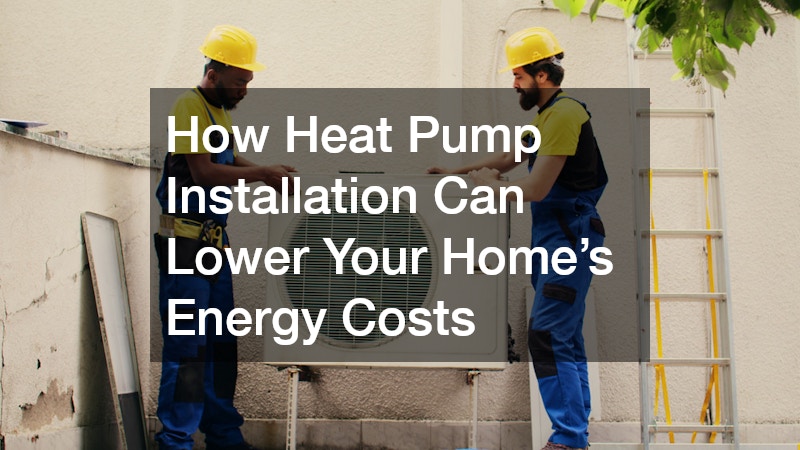
Even highly efficient HVAC equipment may perform poorly when it isn’t installed correctly. The size of the system, ductwork condition, airflow, refrigerant charge, thermostat setup, and placement of equipment can all affect performance.
An HVAC professional can evaluate your home’s size, insulation, windows, layout, and heating and cooling requirements before recommending equipment. Selecting the correct capacity is particularly important. An oversized system may cycle too frequently, while an undersized system may struggle to maintain the desired temperature.
Professional installation helps ensure the system operates according to its intended efficiency and performance specifications.
Additional Ways to Maximize Energy Savings
After installing a heat pump, homeowners can take additional steps to improve efficiency. Regular maintenance is one of the most important. Filters should be inspected and replaced or cleaned as recommended, while outdoor equipment should remain free from leaves, dirt, and other debris.
Improving insulation and sealing air leaks around windows and doors can also reduce heating and cooling demands. A well-insulated home retains conditioned air longer, allowing the HVAC system to operate more efficiently.
Using a compatible programmable or smart thermostat may provide additional opportunities to control energy consumption. Adjusting temperature settings based on your daily schedule can prevent the system from unnecessarily heating or cooling an empty home.
Is a Heat Pump Right for Your Home?
Whether a heat pump is the best choice depends on your property, climate, existing HVAC equipment, and energy costs. Homes with outdated or inefficient heating and cooling equipment may have the greatest opportunity for improvement.
Before investing in heat pump installation, consider having a qualified HVAC professional evaluate your current system and home’s heating and cooling needs. A professional can explain available equipment options and recommend a system designed for your property.
Start Saving With a More Efficient HVAC System
Reducing home energy costs doesn’t necessarily mean sacrificing comfort. Heat pumps provide an efficient approach to heating and cooling by transferring heat instead of relying solely on energy-intensive methods of generating it.
With properly selected equipment, professional installation, regular maintenance, and good home insulation, a heat pump can help reduce energy consumption and provide reliable comfort throughout the year. For homeowners planning an HVAC upgrade, exploring modern heat pump options can be a practical step toward greater efficiency and potentially lower monthly utility bills.